
If you’re a content creator fighting for attention online, you already know the struggle. Everyone tweaks their lighting, perfects camera angles, and upgrades gear to look professional. But looking pro and feeling pro comes down to branding design, not just fancy equipment. In fact, design is often the difference between content that gets ignored and content that builds a loyal audience.
We’re not talking just about pretty graphics or trendy fonts. Real design is about how your content works, the emotions it evokes, and how much your audience trusts you.
Top creators understand this. They stop thinking like mere influencers and start acting like brand builders. I’ve seen this shift firsthand, working with a design agency where every project revolves around how design shapes behavior and loyalty.
And one thing is clear: the core design principles of brand building don’t change. Solid design leads to solid trust.
So, for anyone wondering how to start a brand or how to brand your business for success, take note. Let’s explore nine design secrets inspired by top digital brands and see how to build a brand identity for your own content that stands out. You can apply these tips across your live streams, video overlays, social media posts, and more to create a memorable business brand presence.
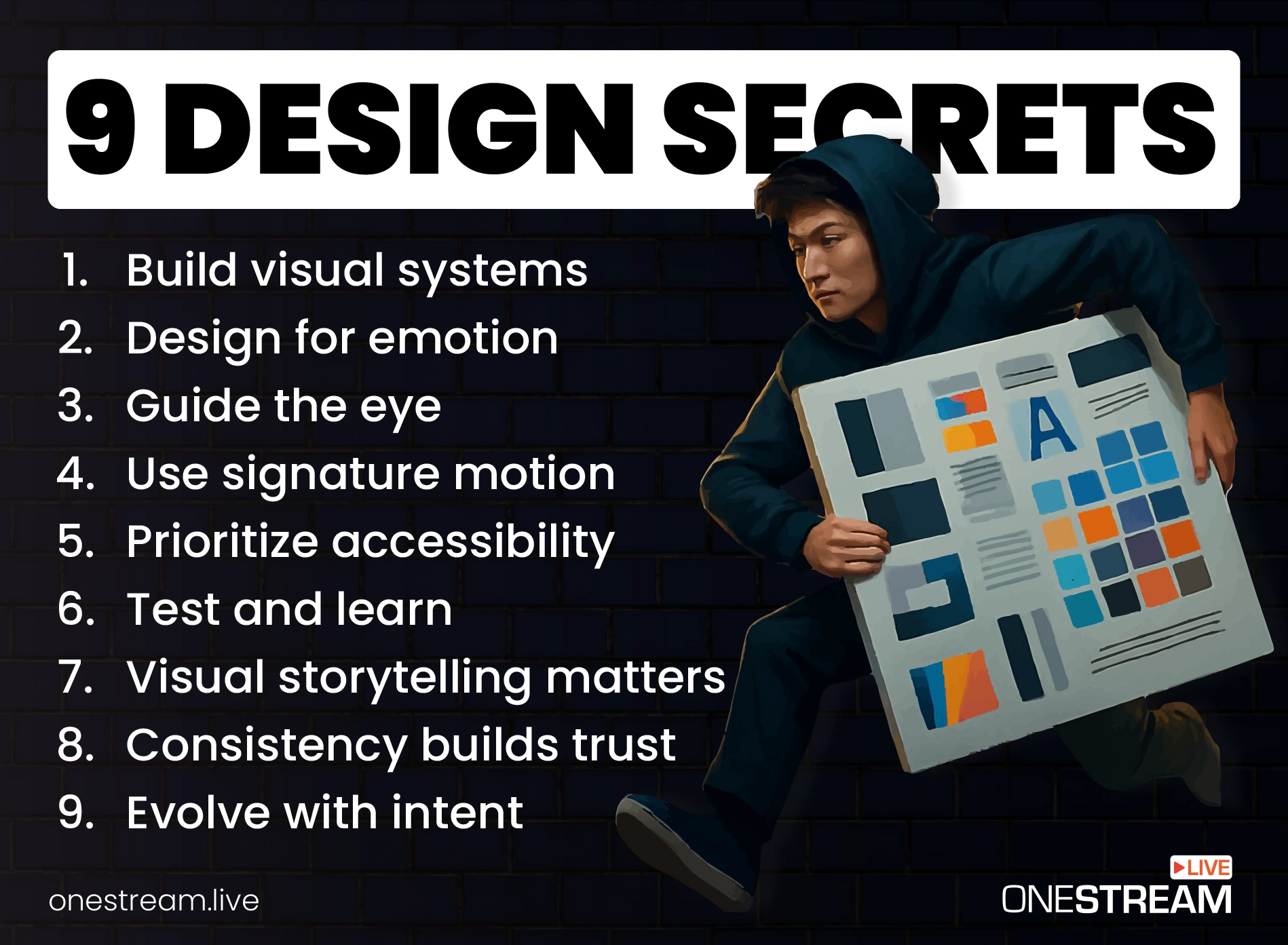
1. Build Visual Systems
It’s easy to get caught up in random “vibes,” especially when you’re just getting started. But the pros know that random style only gets you so far. Instead of reinventing the look of your content every time, they develop a cohesive visual brand design system.
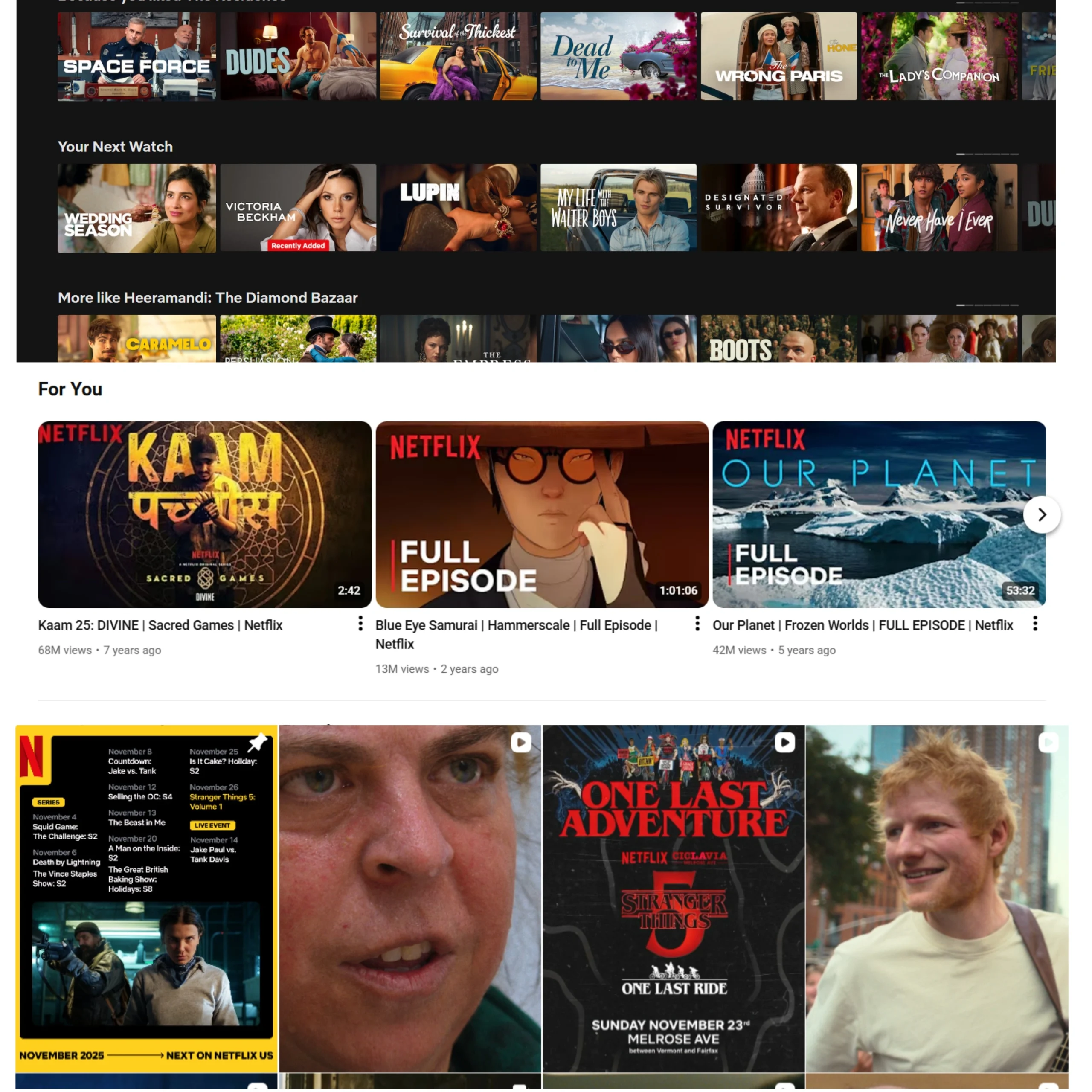
Take Netflix as an example. Whether you scroll through Netflix’s social media, open their app, or see a Netflix thumbnail on YouTube, everything has a familiar feel. That consistency isn’t a coincidence or just good luck, it’s actually the result of a defined system for typography, colors, and even motion graphics. Everything they publish looks and feels unmistakably “Netflix.”
To create your own visual system, keep it simple and consistent:
- Pick one or two fonts and use them everywhere (on videos, thumbnails, banners, etc.).
- Define a color palette of three or four core colors that represent your vibe.
- Apply consistent treatments for similar elements (for example, all your stream overlays or social posts might use the same style of shapes, icons, or filters).
Far from limiting your creativity, having a system is a force multiplier. It saves time (no more guessing which font to use each time), and it gives your content a signature look. Over time, people will start to recognize your content at a glance.
Having worked with a digital product design agency, I’ve seen firsthand how a unified visual system can dramatically improve brand recall and audience trust. Whether it’s typography or layout, a strong system forms the backbone of branding design. If you’re considering hiring professionals to build this kind of system for you, Tenet’s guide on branding costs is a useful benchmark for understanding the investment required.
Quick Tip: If you’re live streaming, a platform like OneStream Live makes consistency easy. In OneStream Live’s Studio, you can set up your logo, brand colors, and layout presets to apply to every stream automatically.

2. Design for Emotion
Pixel-perfect layouts and slick graphics are nice, but on their own they won’t hook an audience. Emotion will. The biggest digital brands often prioritize how their design makes you feel over how fancy it looks. In other words, they design for emotion, not just for a flashy finish.
For example, Spotify’s visuals often feel fun and alive with bold colors and playful shapes. Duolingo’s app has a quirky, friendly vibe (who doesn’t love that goofy owl?). Notion keeps things minimal and calm, giving a sense of clarity.
None of these choices is accidental. These brands know what mood they want you to experience, and they design everything. from their color choices to their animations, to create that feeling.
As a creator, ask yourself: What feeling do I want viewers to walk away with? Is it warmth and trust? Excitement and hype? Curiosity and wonder? Once you know the answer, shape your visuals around that emotion.
Remember, people might admire perfect visuals, but they stay because your content makes them feel something. Design is a tool to connect on a human level. Use it to set the mood and reinforce your message every time.
3. Guide the Eye
Good design isn’t about cramming as much as possible on the screen. It’s about guiding your viewer’s eye to what matters most. Too many busy thumbnails or cluttered stream overlays will only overwhelm your audience. The key is visual hierarchy, which requires you to deliberately decide what’s the main star of the shot and what’s secondary.
Check Out the Top Stream Overlays in OneStream Live Studio
Smart brands do this exceptionally well. Look at any Apple marketing material: it’s clean, clear, and everything has a purpose. There’s always one focal point (like the product shot or a tagline), and the rest of the elements support that focus without stealing the spotlight. You can immediately tell where to look first.
You can apply the same rules of branding design to your content:
- Choose one focal point for each layout (maybe it’s your face on a thumbnail, a keyword in your title card, or a product you’re showcasing). That’s the thing you want viewers to notice first.
- Use size, spacing, and movement to direct attention. Bigger or animated elements draw the eye, so use them for your main point. Also, give everything enough breathing room (white space) so it doesn’t feel crowded.
- Keep secondary info subtle. Supporting text or graphics should be smaller, softer, or less prominent. They add context without yelling for attention.
By being intentional and designing a brand layout that leads viewers through a visual story, you make it easier for them to engage. They won’t feel lost or distracted, because you’ve already shown them what’s important.
4. Use Signature Motion
In a world of live videos, Stories, and endless short clips, motion is your friend. In fact, motion can become a core part of your brand identity, almost like a logo in motion. Static images and logos are fine, but adding a signature motion to your branding sets you apart in video content.
Consider brands like Slack or Nike. Slack’s interface and ads often have smooth, bouncy transitions that feel friendly and fluid. Nike, on the other hand, goes for fast cuts and high-energy swooshes that match their athletic vibe.
Even software companies like Adobe have distinctive motion graphics timing that feels cinematic. These companies treat motion design as an extension of their brand’s personality.
So, what’s your motion style? Maybe your live stream intros always fade in gently with a soft zoom (calm and professional), or maybe they smash-cut with bold graphics and music (exciting and bold). Perhaps your text-on-screen slides in with a playful bounce, or your logo animation pulses subtly in the corner.
The trick is to use a consistent style of movement. Over time, viewers will subconsciously associate that motion with you as it becomes part of your branding signature.
Even if you stream pre-recorded videos, OneStream Live lets you schedule those videos to go live as if they were live broadcasts, so you can still include your branded intros, transitions, and outros for a seamless viewer experience.

5. Prioritize Accessibility
Great design isn’t just for the majority, it’s actuallt for everyone. If you want to build a brand that as many people as possible can enjoy, you need to think about accessibility.
Inclusive design practices actually grow your audience and show that you care. In fact, making your content accessible is one of the smartest business branding tips we can give, because it invites more people to engage with you. An inclusive approach is a growth strategy.
Major companies like Microsoft and Figma bake accessibility into everything, and that’s a big reason their user bases are so broad. Creators should do the same. Here are a few ways to make your content more accessible from a design standpoint:
- Use high-contrast colors for text and backgrounds so that your titles and captions are easy to read (even for viewers with color blindness or low vision).
- Avoid flickering or overly intense transitions that could trigger photosensitive viewers. Smooth, subtle transitions are better than jarring flashes.
- Add subtitles or captions to your videos and streams. Not only do they help people who are hard of hearing, but remember many viewers watch on mute by choice.
- Ensure text is legible on small screens. Choose clear, readable fonts and a sufficiently large text size, since a lot of your audience will watch from their phones.
Read Blog About 5 Game-Changing Accessibility Features for Church Streaming
Designing with everyone in mind is a branding rule that helps you reach more people. When viewers see that you’ve made an effort to include them, it builds goodwill and loyalty. An accessible brand is a more trustworthy brand, which ultimately means a stronger brand.
6. Test and Learn
Even the most creative brands don’t rely on gut feeling alone, they also test their design choices and learn from the data. Part of brand development is being a bit of a scientist: you experiment, observe, and then double down on what works. As a creator, you might not have a full analytics team, but you can still embrace this mindset.
Start by being curious about your content’s performance. Treat each video or stream as a chance to learn something about your audience. Pay attention to things like:
- Which thumbnails get more clicks? Try different styles (bold text vs. minimal text, different color schemes) and see what pulls people in.
- Do different colors or layouts boost engagement? For example, maybe your audience responds more when you use a bright accent color, or when your face is visible on the thumbnail.
- Are viewers sticking around longer after you adjusted your layout? Perhaps a cleaner on-screen design keeps them watching a few minutes more on average.
Every piece of feedback and every metric is telling you a story about what your audience likes. Use that information to iterate. Remember, creative brand development thrives on iteration. Don’t be afraid to experiment and pivot based on what the numbers show.
7. Visual Storytelling Matters
When we talk about brand storytelling, you might think of the words you use or the story you tell in your script. But visuals tell a story too and are often an even more immediate one. Top digital brands are masters of visual storytelling, conveying their values or vibe without a single word.
Consider Airbnb: just from the photos and design on their site and ads, you get a feeling of belonging and warmth, like you’re already part of a community. Or look at YouTube’s branding: that bright red play button instantly signals excitement and “trending now” energy. Neither had to spell out their story in words; the branding design did it for them.
Read Blog on The Art of Visual Storytelling: Creating Engaging Graphics for Live Streams
Ask yourself, what story is my visual brand telling? If you’re a fitness coach who streams workouts, are your colors and imagery conveying energy and transformation? If you’re a travel vlogger, do your visuals shout adventure and freedom? Even as a gamer, does your stream layout communicate fun and community?
Every color, overlay, logo, and camera angle can whisper part of your story. Make sure that the story aligns with your message. This is where designing a brand becomes really fun, as you get to express your mission or personality in a visual language.
8. Consistency Builds Trust
One of the golden rules of branding is consistency, consistency, consistency. People trust what’s familiar. If your audience sees the same style and quality every time they encounter you, it builds recognition and comfort. This is how repetition turns into reputation.
Consider the most famous brands like Coca-Cola, Nike, and even newer tech companies like Shopify. They present a consistent look and tone everywhere: the same logos, colors, and voice in their ads, on their website, on social media, you name it. Over time, you come to recognize them instantly and trust that they’ll deliver the same experience each time.
For creators and small businesses, branding design consistency is just as critical. Your YouTube channel art, Instagram posts, and live stream overlays shouldn’t be carbon copies of each other, but they should feel like they’re part of the same family.
Use those same core colors, fonts, and style elements we talked about in your visual system. Maintain a consistent tone in your graphics and even in how you speak on camera.
These business branding tips hold true whether you’re a solo creator or a company: the more consistent you are, the more professional you appear. And a professional, cohesive presence makes it easier for people to trust you.
When everything looks and feels on-brand, your content becomes instantly recognizable. That familiarity is comforting, and comfort builds loyalty. In many ways, the art of brand making comes down to consistently showing up with the same look and feel time after time.
As OneStream Live’s team emphasizes, consistency in design builds trust and reinforces your brand identity. In practice, staying consistent across all platforms makes your company’s branding design feel solid and dependable.
9. Evolve with Intent
Finally, let’s talk about growth. Building a great brand doesn’t mean you never change. In fact, the best brands develop over time, but they do it with careful intent so they never lose their core identity. As you gain experience and feedback, your brand’s look and feel might need a refresh, and that’s okay. The secret is to evolve while staying recognizable.
A classic example is Google. Over the years, Google’s logo and interface have been tweaked and modernized many times. The colors became a bit softer, the logo got cleaner and flatter for modern screens, and the overall style became more flexible. But at a glance, it’s still clearly Google. They didn’t throw out their whole identity; they refined it.
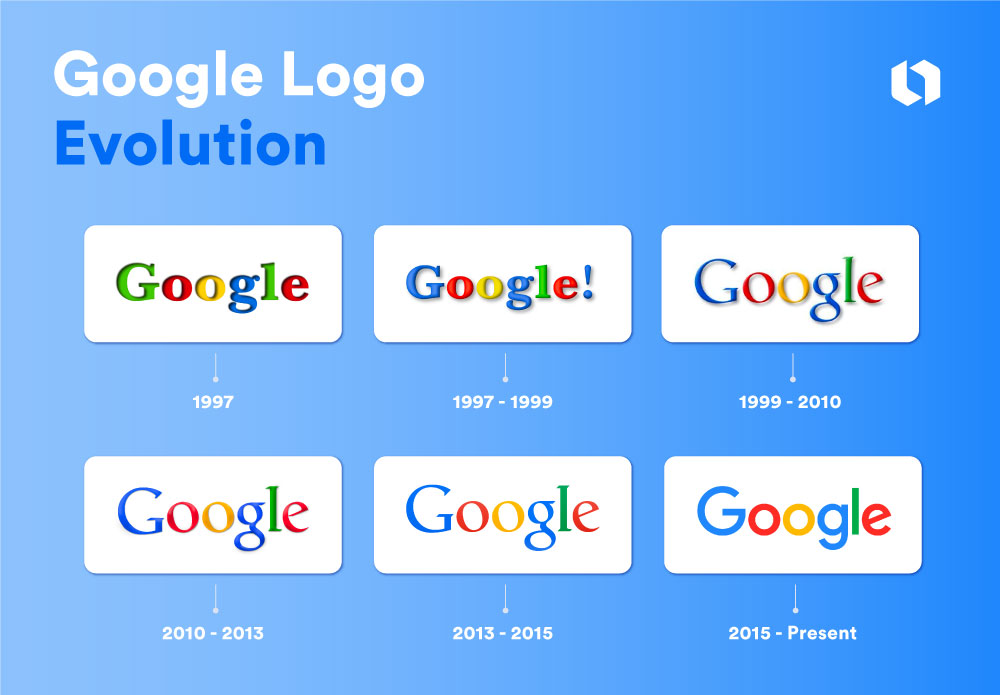
As a creator, don’t be afraid to rebrand or update your style as you grow but just do it thoughtfully. You don’t need to toss out everything (which is good news if you’re anxious about how to create a brand identity that lasts). Instead, think of it as maturing your brand.
Maybe you keep your signature color and logo, but update the fonts and layouts for a fresher feel. Or you maintain your friendly tone but introduce higher-quality graphics as you level up your skills or equipment.
The key is to keep the elements that your audience already connects with. That way, you bring them along for the ride. Growth doesn’t have to be radical; it just has to be intentional. Evolving with intent shows that you’re improving and staying current, without alienating the fans who liked you in the first place.
Remember, brand development is a journey. As long as you stay true to your core (your “soul,” if you will), you can play with new design trends and technologies that come along.
Final Thoughts
Branding design is your silent ambassador. Long after someone watches your video or leaves your stream, the impression your design leaves will stick with them.
Big brands weren’t always big; they earned recognition by showing up the same way, with intention, time after time. You can do the same with your content. The best part is that you have tools and platforms available to give you a leg up.
For instance, OneStream Live provides built-in branding help, like custom logos and overlays in OneStream Studio, and the ability to multistream your content across 45+ platforms with consistent brand design. With the right approach and tools, you can build your brand and appear polished and professional, even as a small creator or small business!

FAQs about Branding Design
Building a brand starts with defining what your brand stands for – your mission, values, and target audience. From there, create a consistent visual identity (name, logo, colors, fonts) and a clear voice that reflects that purpose. Finally, apply this identity across all channels and deliver quality consistently. Over time, this cohesive approach will help your brand grow a loyal following.
To brand your business, first clarify your unique value and the image you want customers to associate with you. Then develop branding elements like a business name, logo, tagline, and design style that communicate that image. Use these elements consistently on your website, social media, packaging, and marketing materials so that your company branding is unified and memorable.
Designing a brand involves crafting the visual and experiential elements that define how people perceive your brand. Start by choosing a color scheme and typography that embody your brand’s personality.
Design a simple, distinctive logo and set guidelines for imagery and tone. Essentially, you’re creating a brand design style guide so that everything from your website to your social posts looks and feels like part of the same story.
Branding a product means giving it a unique identity that customers will recognize and trust. This includes coming up with a product name and logo, designing attractive packaging, and creating a consistent theme or story around the product in your marketing.
Make sure the product’s branding aligns with your overall brand, so it feels like part of your company’s family. Consistency in messaging and design will make the product more memorable and credible.
OneStream Live is a cloud-based live streaming solution to create, schedule, and multistream professional-looking live streams across 45+ social media platforms and the web simultaneously. For content-related queries and feedback, write to us at [email protected]. You’re also welcome to Write for Us!