
You can buy followers. You can buy likes. You can even buy a list of “trending” Instagram hashtags that promise overnight visibility. But you can’t buy relevance. That comes from strategic hashtag placements. Such placement ensures your post reaches people who care, join the conversation, and eventually become followers or customers.
The impact of Instagram is undeniable. Since its inception in October 2010, the social network has become a place for businesses to market and expand. Amid this growth, one factor became particularly influential in shaping visibility: the hashtag.
FYI: Until late 2024, Instagram let people follow hashtags like accounts, but the platform removed that option. Hashtags still work for search and categorization, while reach is now driven more by recommendations in Feed, Explore, and Reels.
Let’s explore everything you need to know about hashtags on Instagram.
- Hashtags are crucial for increasing organic interaction and engagement.
- Use the strategic combination of trending, content-specific, seasonal, location-based, and brand-specific hashtags for maximum impact.
- Optimize the number of hashtags to use on Instagram.
- Monitor performance, track competitor hashtags, and regularly adjust your Instagram marketing hashtags strategy.
What is a Hashtag?
A hashtag is essentially a single word or an unspaced phrase placed after the ‘#’ symbol. It allows users to apply dynamic user-generated tagging to classify and categorize a specific theme or content. Technically speaking, a hashtag is a metadata tag that improves the discoverability of your content.
Hence, anyone who searches for or clicks on a particular hashtag will be redirected to all the pages that contain that hashtag. Simply put, hashtags help you target your content at the desired audience, attract potential followers, and increase engagement.
Why Do Instagram Hashtags Matter?
Instagram is the third-largest social network in the world, with 2 billion monthly active users, making competition for attention high.
Given this scale, delivering the right post to the right audience is a daunting task. This is where Insta hashtags play a central role. They connect your content with relevant communities and searchable topics, helping posts reach users who are most likely to interact and engage.
Where Should Your Instagram Hashtags Go?
Instagram supports hashtags in either the caption or the first comment, and both are clickable and searchable. The Help Center confirms both placements are valid, so the best approach is to test which works for the account and monitor “Impressions from hashtags” in Insights.
What are Hashtag Categories on Instagram?
Before you jump onto the bandwagon of throwing away popular hashtags in your Instagram posts, you must think the plan through carefully. Several categories of them work around the Instagram algorithm, and you, as a marketer, must remain mindful of these while finding relevant or best marketing hashtags.
1. Trending Hashtags
These are the top trending hashtags on Instagram. However, they are dynamic and constantly changing in real-time.
Hence, one hashtag trending right now might go away within minutes or hours. Nevertheless, using trending hashtags in your posts can significantly increase the chances of your content being seen by a massive audience.
For example: #love (2.1B) #instagood (1.8B) #fashion (1.1B)
2. Content Hashtags
Content hashtags are a core driver in improving the SEO of your post. These are the top hashtags for Instagram directly related to the product or service category that you’re offering.
Although they might not necessarily define your brand or business, they are closely connected to the theme or focus of your Instagram posts.
Popular B2B hashtag examples:
#smallbusiness (144M), #business (124M), #entrepreneur (109M) #socialmedia (41M)
Pro Tip: Use the most commonly searched terms and trending hashtags relevant to your content to reach a wider audience.
3. Brand-Specific Hashtags
Without a doubt, generic and most popular Instagram hashtags can quickly bring your post into the spotlight. However, they are vulnerable to getting lost in the constant stream of other posts on Instagram.
To maintain lasting brand visibility, it is wise to customize your own Instagram business hashtags that keep your content relevant and recognizable. These tags could be related to your company’s name, tagline, or a short motto that is unique to your business.
While jotting down the best hashtags for your business on Instagram, make sure they are short, memorable, and appealing, so they remain easy for your audience to recall and engage with. Keep in mind that ultra-broad tags have high competition and limited targeted reach. So prioritize niche, intent‑aligned tags.
Pro Tip: Including an Instagram business hashtag in the bio organizes UGC and makes it easier for audiences to discover related posts.
Find Out the Secrets to Doubling Your Instagram Live Video Views
How to Build an Effective Instagram Hashtag Strategy?
In 2025, Meta’s AI-powered Instagram search option radically changed the way users discover content. Long-term follower engagement relies on a relevant and authentic strategy. As a result, creators must approach hashtags with more precision.
Meta’s AI-driven search prioritizes relevance, semantic match, and post-level engagement as key inputs. Advise regular hashtag audits and alignment to content pillars.
1. Use the Relevant and Optimum Number of Hashtags
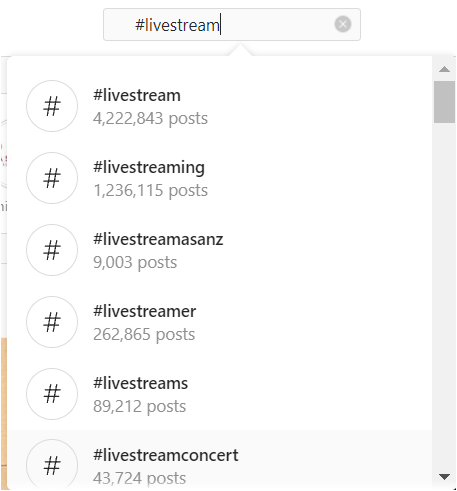
Type your related keyword or business in the Instagram search bar. Select the ‘TAGS’ tab. This will display all relevant hashtags along with the number of posts that have already used them.
But wait, don’t just randomly select trending hashtags for your business. You need to use only those that are absolutely pertinent to your post.
The next question that comes to mind is: how many hashtags should I use on Instagram? Although Instagram allows up to 30 hashtags per post, this doesn’t mean you need to overload your content with them.
On average, using nine hashtags per post generates the highest engagement. Typically, most brands stick to 3–5 carefully chosen hashtags in their Instagram posts.
2. Avoid Irrelevant Hashtags
Make sure you don’t get carried away with the popularity of hashtags. In fact, when it comes to grinding the best of them, post volume is an important metric.
A hashtag with 10 million uses might not be relevant to your post. Because of this, choosing highly popular but irrelevant tags can dilute your post’s reach and engagement. On the other hand, if a hashtag has only a few posts, it’s evident that no one is searching on the Instagram Explore page.
Pro Tip: Aim for low‑competition niche (10K–200K), mid (200K–2M), and selective broad tags for exposure tests. Remember to prioritize relevance and specificity so your content connects with your target audience.
3. Conduct a Competitor Analysis
No matter how trending and smartly tailored marketing strategies you use, you’re doing no good to your business if they are not competitive enough. Keep a watch on competitor brands to see what hashtags they use. This might even help you find new business tags for your list.
Important information: Make sure you are not lifting any brand-specific content they have created for themselves. Using another brand’s hashtags can confuse your audience and make your content seem unauthentic.
On top of that, it even raises ethical concerns if the brand considers it misleading. Try to create your own branded hashtags or choose ones that are relevant to your domain.
4. Use Hashtag Generator Apps
Apart from manual search, you can use sophisticated generator apps such as All Hashtag and Display Purposes to find the most popular hashtags to use on Instagram, specifically relevant to your business.
With these tools, you can create a customized combination of hashtags for each of your posts.
5. Monitor your Hashtag Performance
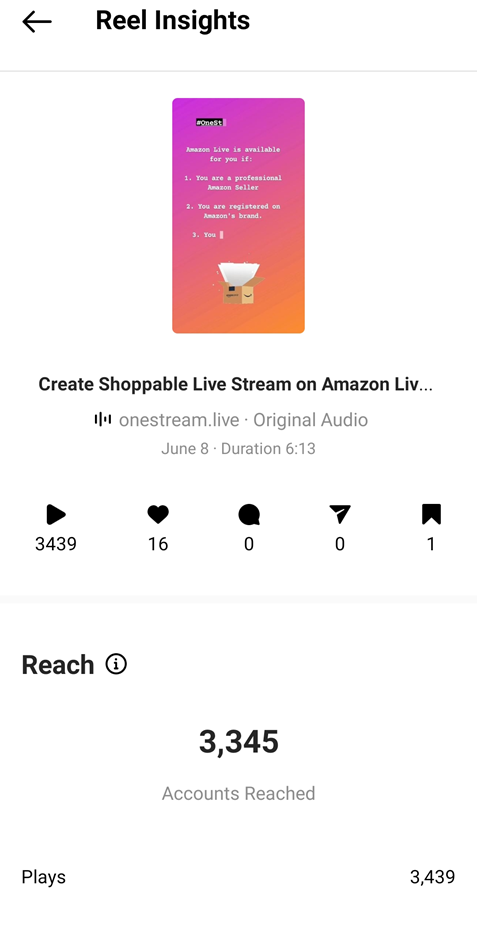
Once you have incorporated hashtags in your posts and stories, keep an eye on what’s working and what’s not. An Instagram Business Profile allows you to monitor and analyze the performance of your hashtags under “View Insights.”
This will particularly help you facilitate tailoring the best hashtags for your Instagram post. On the other hand, tools like Ritetag can give you insights regarding specific hashtags and their performance.
6. Use Seasonal Hashtags at Specific Times in the Year
When drafting Instagram marketing hashtags, seasonal tags like #Christmas and #Diwali act as a strategic way to align your content with cultural and festive moments.
In addition, these hashtags help your content join the larger seasonal conversation. As a result, users searching for festive ideas or trending holiday topics can easily discover your products and are more likely to make a purchase.
7. Use Location Hashtags
Over time, more users are turning to Instagram to discover nearby products and services, making local visibility a core driver for engagement. To tap into this, location hashtags or geotags are a great way to reach the niche and regional audience.
Ultimately, the key to using a location-based hashtag is specificity. The more specific you are with your hashtags, the easier it becomes for your niche audience to discover your content.
What are the Top Instagram Hashtags for Live Streaming
Following is a list of the best, trending, and most trending hashtags for live streaming:
#livestream #twitch #live #livestreaming #streaming #youtube #streamer #twitchstreamer #music #gaming #stream #gamer #twitchtv #twitchaffiliate #livemusic #dj #podcast #ps #instagram #love #fortnite #twitchstream #livestreamer #videogames #game #video #smallstreamer #youtuber #twitchgamer #pcgaming #contentmarketing #dance #supportsmallstreamers #housemusic #playstation #techno #hiphop #follow #xbox #games #facebooklive #online #art #djlife #newmusic #facebook #twitchcommunity #tiktok #concert #instagood #battleroyale #gamergirl #radio #liveshow #twitchclips #electronicmusic #twitchgaming #contentcreator #singer #gamingcommunity
And when streaming through OneStream Live, don’t forget to mention #onestreamlive!
Final Word
The purpose of hashtags is partially for metrics, such as algorithms and SEO. However, the ultimate goal is always organic interaction. Therefore, instead of focusing solely on technical aspects, consider the types of content people are searching for and how your brand can provide value to them.
For live streaming, combine popular Instagram hashtags with platform-specific tags, such as #onestreamlive, to further expand your reach. Start applying them now to make your live videos discoverable, attract the right audience, and turn passive viewers into active participants.

FAQs about Unified Live Stream Chat
Use a mix of good hashtags for Instagram: branded hashtags, industry-specific terms, and trending tags that your target audience actively follows.
Focus on three highly relevant hashtags per post to keep your content targeted and avoid spammy overuse.
Place them in captions or comments, combining niche and famous hashtags, so your posts land in the proper discovery feeds.
They expand your organic reach, improve discoverability, and connect your brand with potential customers searching those topics.
Using 3-5 highly relevant hashtags usually strikes the right balance between visibility and engagement.
To add hashtags on Instagram, type the “#” symbol followed by a word or phrase in your post caption, comment, or story. Make sure there are no spaces in the hashtag, and choose relevant terms that describe your content.
OneStream Live is a cloud-based live streaming solution to create, schedule, and multistream professional-looking live streams across 45+ social media platforms and the web simultaneously. For content-related queries and feedback, write to us at [email protected]. You’re also welcome to Write for Us!